The Moment I Realized Dental Care Was Broken
Three weeks is a long time to be in pain. Long enough that it stops being sharp and urgent and becomes something else. Constant. Distracting. Always there.
I was living in Manhattan at the time, working as an AI engineer. I had insurance. I had a stable job. I had every reason to believe I should be able to access care without much difficulty. But when I was told I needed a dental crown, the first quote I received was close to four thousand dollars. That was the moment things stopped making sense. Not because care is expensive. I understood that. But because I could not clearly understand why. I could not compare options. I could not get a straight answer on pricing without calling multiple offices. And every conversation seemed to lead to more uncertainty, not less.
So I did what most patients end up doing. I started searching. I spent days moving from website to website, trying to piece together information that should have been easy to find. Pricing was rarely listed. Reviews told only part of the story. Phone calls became the only way to get basic answers, and even then, clarity was inconsistent. All of this while I was in pain. Eventually, I found a provider out of network at a teaching hospital. It took another two weeks before I could be seen. Three weeks. That is how long it took to get care in a system that, on paper, was supposed to work for me. That experience did not just frustrate me. It stayed with me.
At the time, I was building AI tools designed to help consumers avoid unexpected credit card charges. My work was centered around transparency. Helping people understand what they were paying for, and why. It made me start asking a different kind of question. If we could make financial systems more transparent, why could we not do the same in healthcare? The more I looked, the clearer the pattern became. The problem was not just cost. It was friction. Simple things felt unnecessarily difficult. Comparing providers. Understanding pricing. Finding care quickly when it actually mattered. These are problems we have already solved in other parts of our lives. But when it comes to healthcare, we are still navigating a system that feels fragmented and opaque. That gap is what led me to start building DentalFynd.
Not to change dentistry itself, but to change how people experience it. The goal is simple. Give patients a clearer, more direct way to find care. Help them understand pricing. Reduce the time it takes to make a decision when they are already dealing with something stressful.
Building something like this, especially as a first-time founder, has been a process of learning in real time. One of the most important lessons has been understanding how much you do not know at the beginning. Feedback has become essential. Learning how to listen, especially when it is uncomfortable, has shaped how I build and how I lead. Entrepreneurship can also be isolating. That is why community has mattered so much in my journey.
For me, this work is not just about building a company. It is about solving a problem I experienced firsthand. Because what stayed with me from that experience was not just the cost. It was the uncertainty. The time spent searching while in pain. The realization that even with resources, access was not straightforward. That is what should not be normal. And yet, for many patients, it still is. I am building because I believe it can be different, and because I know what it feels like when it is not.
About the Author
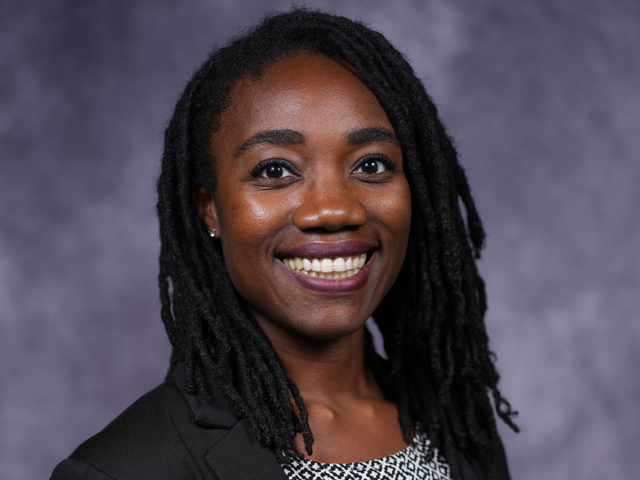
Tobi Bosede is the founder and CEO of DentalFynd, an AI payment platform that enables dentists to fill chairs and avoid no-shows. She is also President of People of Color in Dental, a nonprofit professional association that empowers racial minorities to thrive in their dental careers. She holds degrees from the University of Pennsylvania, Johns Hopkins University, and the Wharton School.