He Wasn't Difficult. He Was Overwhelmed.
The first time I met him, he barely made eye contact. He was a teenager with autism, anxious, unsure, and struggling to process everything happening around him. Communication was limited. Staying still was difficult. His parent stood close by, trying to reassure him, but the hesitation was obvious. This was not their first attempt at dental care. They had already been to three other offices. One of them turned them away as soon as they walked in. When I heard that, I made a quiet decision. We were not going to be the fourth.
I have seen moments like this before, not just in the operatory, but at home. As a parent of a child on the autism spectrum, I understand how much early experiences shape everything that comes after. With my own son, I started early. I looked in his mouth daily, brushed his teeth multiple times a day, and introduced tools like mirrors so he could become familiar with what we do. I was also able to bring him into the office when he was young so he could experience the real sounds, sights, and rhythms of a dental setting. That early exposure made a difference. But I also know that not every family has that opportunity.
Families like his often arrive carrying more than just a dental need. They bring past experiences, uncertainty, and the quiet fear that this visit might go the same way as the last. So we slowed down. We did not rush into treatment. We focused on building trust first. We met him where he was and adjusted everything around him to support that. At that first visit, we were able to take X-rays and intraoral photos — something that had never been done successfully before. That alone was a meaningful step forward.
From there, he was scheduled for treatment under sedation to complete a full reset of his oral health. But the real progress came after that. At his next visit, I talked him through everything I was doing, step by step, giving him time to process and respond in his own way. There was no rushing. No pressure. Just patience. And it worked. Each visit became a little easier. His anxiety decreased. His tolerance improved. He began to trust the process.
That kind of progress does not happen by accident. It happens when we are willing to change how we approach care. What stayed with me the most was not just what we accomplished clinically, but what his parent said at the end of that visit. She thanked us over and over. She was emotional. She told us she could tell we truly cared. That we were willing to try. That we treated her child with compassion and respect. That was the moment that mattered. Because patients like him are often labeled as difficult or uncooperative. But that is not what I see. I see patients who are overwhelmed. Patients who do not feel safe yet. Patients who have not been given the opportunity to succeed. And when we change the way we show up for them, everything changes.
About the Author
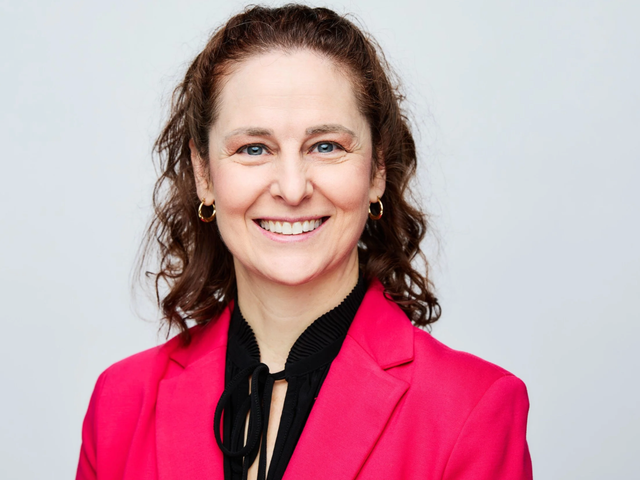
Lisa Curbow, RDH, is a dental hygienist with 27 years of clinical experience and a passion for improving access to care for patients who are often underserved in dentistry. For the past 16 years, much of her work has focused on caring for individuals with intellectual and developmental disabilities, sensory challenges, and complex medical conditions. In addition to her clinical work, Lisa is an educator, speaker, and consultant who develops practical tools including sensory kits and visual storyboards to improve patient experiences and support more inclusive care.