From Philosophy to Practice
Having grown up in a family deeply rooted in implant dentistry, I have had the opportunity to watch growth unfold across generations. What I have learned is that growth rarely fails because of intelligence. It usually falters because of isolation. And the more time I spend talking with dentists, the more I am convinced that the environment surrounding a clinician matters as much as the clinician themselves.
There is a question I keep coming back to: what actually changes when a dentist finds the right partner, the right system, the right support? Because philosophy is easy to agree with. It sounds right. It feels right. But in dentistry, if something does not change what happens on Monday morning, it does not matter very much. And Monday morning is where growth lives or dies.
The Weight of the Real Case
Most dentists I talk to do not struggle with understanding new procedures. They are intelligent. They have taken the courses. They have watched the cases. The hesitation does not usually come from ignorance. It comes from weight. You leave a weekend program energized. Then a real patient is in the chair. Now there is bone density to consider. Medical history. Anxiety. Time pressure. Team dynamics. The responsibility shifts. And this is where something subtle happens. Sometimes the case moves forward. Sometimes it gets referred. Occasionally, referral is not about complexity. It is about comfort.
Where Ecosystem Starts to Matter
Consider a common scenario. A patient presents with a failing molar. The extraction is straightforward. The replacement options are discussed. A single-tooth implant would be predictable. The patient is a candidate. If referred, the practice may produce a few hundred dollars. The implant, abutment, and crown — often several thousand dollars of comprehensive care — are completed elsewhere. When hesitation drives referral, something else is happening. When a dentist knows they can review a case beforehand, when they know someone experienced will pick up the phone, when the workflow has been practiced repeatedly in a hands-on setting — the conversation changes. Growth in many practices does not come from adding ten new procedures overnight. It comes from reducing leakage — keeping appropriate care in-house and delivering it confidently.
Confidence Is Structural
Confidence gets talked about as if it is emotional. As if it is a personality trait. But in reality, it is structural. When the surrounding system supports the clinician, variability decreases. When variability decreases, predictability increases. And when predictability increases, decisions become easier. Production does not explode. It stabilizes. It becomes consistent. And consistency, over time, is powerful.
The right ecosystem does not simply make growth possible. It shapes how growth unfolds over time. It helps education translate into implementation. It helps hesitation shrink instead of expand. It turns opportunity into something repeatable rather than sporadic. And slowly — often almost quietly — it changes the trajectory of a practice. Dentistry does not evolve through ambition alone. Ambition is important. So is skill. So is access. But what surrounds those elements often determines whether they take root.
About the Author
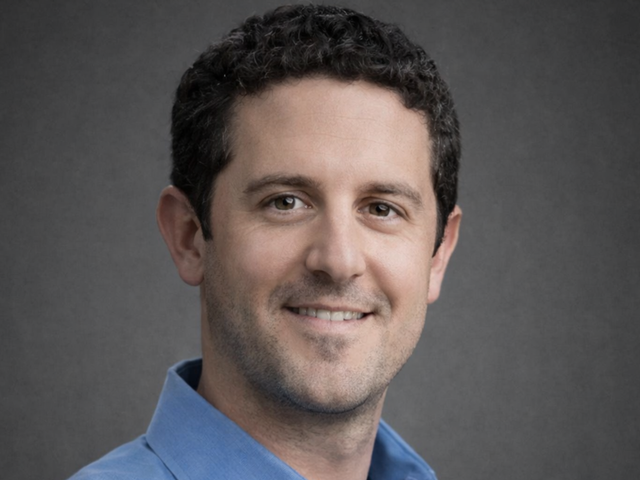
Vincent D'Alise is the CEO and President of OCO Biomedical and a third-generation leader in his family's dental manufacturing legacy. With a background in medical sales and executive leadership across multiple industries, he brings a long-term perspective focused on education, partnership, and sustainable growth in dentistry.