Designing Experience, Not Just Delivering Dentistry
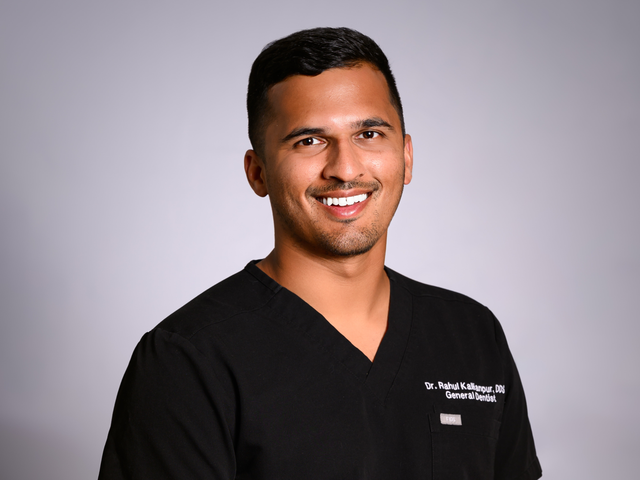
Growing up in Niskayuna, New York, I was drawn to biology — the precision of it, the way systems interact, the way small details determine outcomes. That fascination led me to dentistry. But what I discovered along the way was that most dental offices I worked in were built without intention. The clinical excellence was there. The experience surrounding it was not. I started noticing the gap early, and I could not stop noticing it.
What filled that gap, strangely, was not dentistry at all. It was hotels. Restaurants. The kind of spaces where every detail felt considered — the lighting, the greeting, the way a transition from one moment to the next felt effortless rather than transactional. When I opened Hudson Dental Co., those observations became the blueprint. Not a traditional dental office. An environment built the way the best hospitality experiences are built — with intention at every level, from the first touchpoint to the last.
Personalization Before Arrival
The experience begins before the patient enters the office. Every new patient completes a digital intake that goes beyond standard medical history. We include comfort preferences, how they like to be addressed, any anxieties they carry, music preferences, and any cosmetic or functional concerns they have been considering. By the time the patient arrives, we already understand what matters to them. At check-in, our patient concierge acknowledges those preferences in a natural, unscripted way. That first interaction sets the tone and reflects a broader shift toward personalized, patient-centered dentistry.
The First Five Minutes
The first five minutes of the clinical experience are where we have seen the greatest transformation. As patients are escorted back, they pass through our photo room where we capture two studio-quality images. These images automatically upload to our server and populate across operatories in real time. By the time the patient is seated, their photos are displayed on a 4K screen in front of them. For many patients, it is the first time they have seen their smile in that level of detail. That awareness becomes the foundation for meaningful conversations, particularly in cosmetic dentistry and smile design workflows.
Creating Moments That Drive Action
Integrating digital smile design into our workflow has been one of the most impactful additions to how we deliver care. After reviewing photos and discussing goals, we create realistic previews of what a patient's smile could look like. There is often a pause when patients see it. A moment of recognition. That moment shifts the conversation from whether to how. We are no longer convincing. We are aligning. When patients can visualize what is possible, decision-making becomes more natural.
Rethinking the Financial Experience
Financial interactions are one of the most overlooked aspects of patient experience. Traditionally, these conversations happen at the front desk, often in a semi-public setting after the clinical experience has concluded. We intentionally redesigned this. Each operatory is equipped with a payment terminal, and patients have the option to keep a secure card on file. This preserves privacy, removes the need for a secondary checkout step, and maintains the natural flow of the visit. Their last experience is a genuine, personal send-off, not a transaction.
Efficiency, in this context, is not about speed. It is about alignment. Thriving in practice is not about doing more. It is about designing better — creating a system that supports the level of care you want to deliver, one that blends hospitality with clinical excellence. When these elements align, the impact is clear. Patients feel it. Teams feel it. And the practice grows in a way that is both sustainable and fulfilling.
About the Author
Dr. Rahul Kallianpur is the founder of Hudson Dental Co. in Pleasantville, New York, where he combines clinical expertise and an artistic approach to cosmetic and restorative dentistry. A graduate of NYU College of Dentistry with advanced training in digital workflows and smile design, he opened Hudson Dental Co. to bring a hospitality-driven model to elite dental care.