Beyond the Checklist: Why Modern Dentistry Needs Risk Based, Patient Centered Care
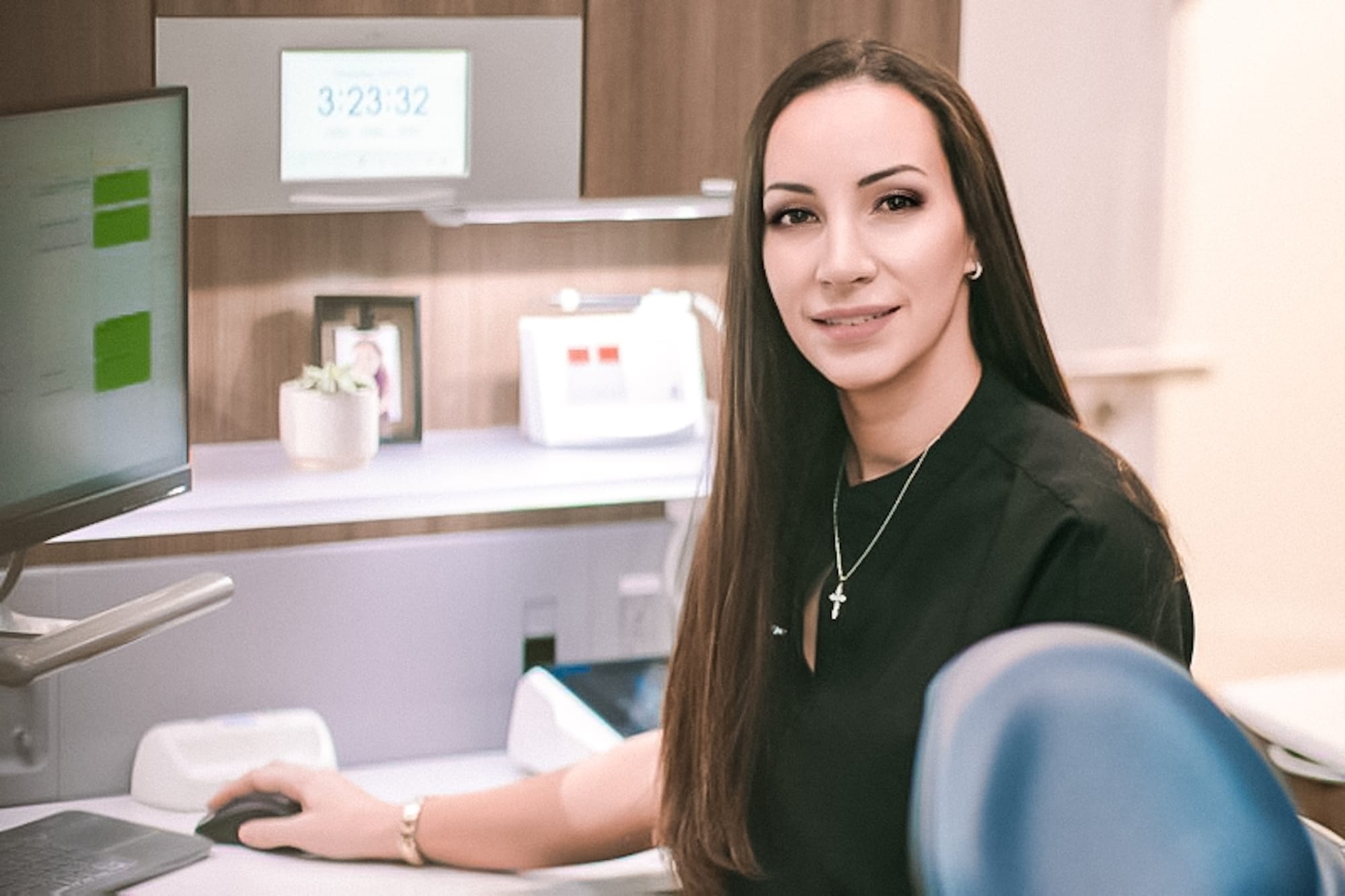
By Sandra Sikimic, RDH
Early in my career, I believed that clinical protocols and checklists defined excellent care. They created structure, supported consistency, and protected safety. With experience, however, it became clear that patients rarely fit neatly into predefined categories. Biology, behavior, environment, and access to care shape each individual differently.
Some of the most important clinical decisions occur outside a checklist. They emerge through conversation, careful observation, and a deeper understanding of risk. Modern dentistry functions best when it moves beyond rigid systems and toward individualized, biology informed, patient centered care.
Checklists serve an important purpose. They support standards, safety, and efficiency, particularly in busy practices. They ensure essential steps are not overlooked and that care meets a baseline expectation. Yet when they become the primary driver of decision making, they can oversimplify complex human systems.
Two patients may present with similar clinical findings yet carry very different risk profiles. One may have optimal salivary flow and consistent home care habits. Another may struggle with xerostomia, medications, stress, or limited resources. Some patients meet every recommended guideline yet continue to experience inflammation. Others are categorized as high risk and remain stable.
When care becomes overly checklist driven, frustration can develop for both patient and provider. Recommendations may feel disconnected from a patient’s lived experience, while clinicians may feel constrained by systems that leave little room for professional judgment. Over time, this can result in under treatment, overtreatment, or missed preventive opportunities.
Protocols are valuable tools, but they cannot replace critical thinking. They should support clinical reasoning, not substitute for it.
The more relevant question is not, “What does the protocol recommend?” but, “What does this patient require?” Shifting this perspective transforms how risk is understood. Oral health is influenced by far more than a snapshot of probing depths or radiographs. Salivary function, microbial balance, medical history, medications, daily habits, lifestyle, and airway patterns all contribute to the clinical picture.
A recent patient encounter reinforced this principle.
A woman in her fifties had maintained a three month hygiene recall for years. She was diligent with home care and had no medication related risk factors. On paper, she appeared compliant and stable.
Despite this, she consistently presented with recurrent calculus deposits, mild chronic gingivitis, and generalized tenderness.
A checklist based approach would have emphasized reinforcing oral hygiene and maintaining the shortened recall interval. However, her effort was not the issue. The clinical pattern did not align with her behavior.
Through discussion and observation, one contributing factor emerged. She was a habitual mouth breather. She had never considered how frequently she relied on oral breathing, and no clinician had previously connected it to her oral health status.
Chronic mouth breathing alters the oral environment. Decreased salivary protection, increased dryness, and shifts in microbial balance create conditions that support inflammation and calculus accumulation, even in otherwise compliant patients. The issue was not discipline. It was physiology.
We reviewed the benefits of nasal breathing, proper tongue resting posture, and the relationship between airway patterns and oral tissues. Myofunctional therapy was introduced as a potential long term strategy, along with simple approaches to encourage nasal breathing at night when appropriate.
For the first time, her recurring inflammation had context.
This case reinforced an essential principle. Protocols provide guidance, but they do not replace clinical reasoning. When risk is evaluated through a broader biological lens, prevention becomes more precise. The goal is not to increase intervention. The goal is to provide the right intervention.
Modern dentistry does not require abandoning standards. It requires applying them thoughtfully. Evidence and protocols form the foundation, while clinical judgment and an understanding of biology shape individualized decisions.
When we move beyond the checklist and genuinely assess risk on a patient by patient basis, care becomes more aligned, more effective, and more human.