The Craft
The Art of Slowing Down
On cosmetic dentistry, the pressure to rush, and a more intentional approach. In a world that rewards speed, the most refined outcomes are almost always the result of restraint.
I came to dentistry through studio art. That background has never left the way I approach a smile. Long before I learned to prep a tooth, I learned to look carefully, to resist the impulse to do more than the work requires, and to understand that the most refined outcomes are almost always the result of restraint rather than ambition. In a profession that is moving faster every year, that training feels more relevant than ever.
I am getting married next weekend — can you fix my smile in time? That question arrives in different forms, but the urgency behind it is always the same. In this era defined by instant gratification, expectations in cosmetic dentistry have shifted dramatically. Patients arrive wanting results at the speed of a filter. Practitioners face pressure to deliver them.
"When it comes to quality, price, and speed, you can only choose two."
Dr. Lena Varone, DMD, FIADFE
The Ambiguity Problem
Within this landscape, the term cosmetic dentist has become increasingly common, despite not being a formally recognised specialty. This ambiguity can mislead patients who may not fully understand the qualifications behind the title. At the same time, private equity and insurance-driven models have accelerated the pace of care. A familiar principle applies here: when it comes to quality, price, and speed, you can only choose two.
This tension is especially visible in the surge of veneer cases gone wrong. The so-called veneer epidemic reflects a growing number of dissatisfied patients, often following lower-cost treatment obtained through dental tourism. As a provider, I have seen numerous cases with less than desirable results, where patients are now seeking retreatment or simply learning to live with them.
What Veneers Actually Are
Yet veneers themselves are not the issue. When performed properly, they are among the most refined tools in cosmetic dentistry. Modern techniques emphasise minimally invasive preparation, with porcelain veneers as thin as 0.5 millimetres. The process should be smooth and collaborative, with temporary restorations offering a preview that builds confidence. Final results, when executed with precision and artistry, should integrate seamlessly, complementing the patient's natural features. These outcomes require not only technical expertise, but patience and an artistic sensibility.
Introducing Microbonding
It was within this context that I developed the concept of Microbonding. After seeing a pattern among young adults seeking subtle refinements without invasive procedures, it became clear there was a gap in available treatment options. I had one patient come in who had impeccable home care and beautiful teeth. His teeth, however, were rounded at the edges, and he felt they did not match his personal aesthetic. He was in the army, active in bodybuilding, and wanted to project a more masculine appearance. Most dentists would have recommended no treatment or veneers.
While traditional composite bonding has long been used to repair chips, close gaps, or cover entire surfaces, Microbonding takes a more conservative approach — adding minimal material to the edges and contours of the teeth, enhancing form without altering the underlying structure. The result is a change the patient feels but that others cannot quite name. That is the point.
Trust Is the Foundation
Choosing the right cosmetic dentist extends beyond any single procedure. Experience, artistic vision, and philosophy of care all play a role, but ultimately trust is paramount. In a world shaped by speed and automation, authenticity remains irreplaceable. Nowhere is this more evident than in the art of dentistry.
The bride wanting her smile fixed a week before her wedding deserves an honest conversation more than a rushed procedure. That conversation, when done well, is where trust begins. And trust, more than any technique or technology, is what brings patients back.
About the Author
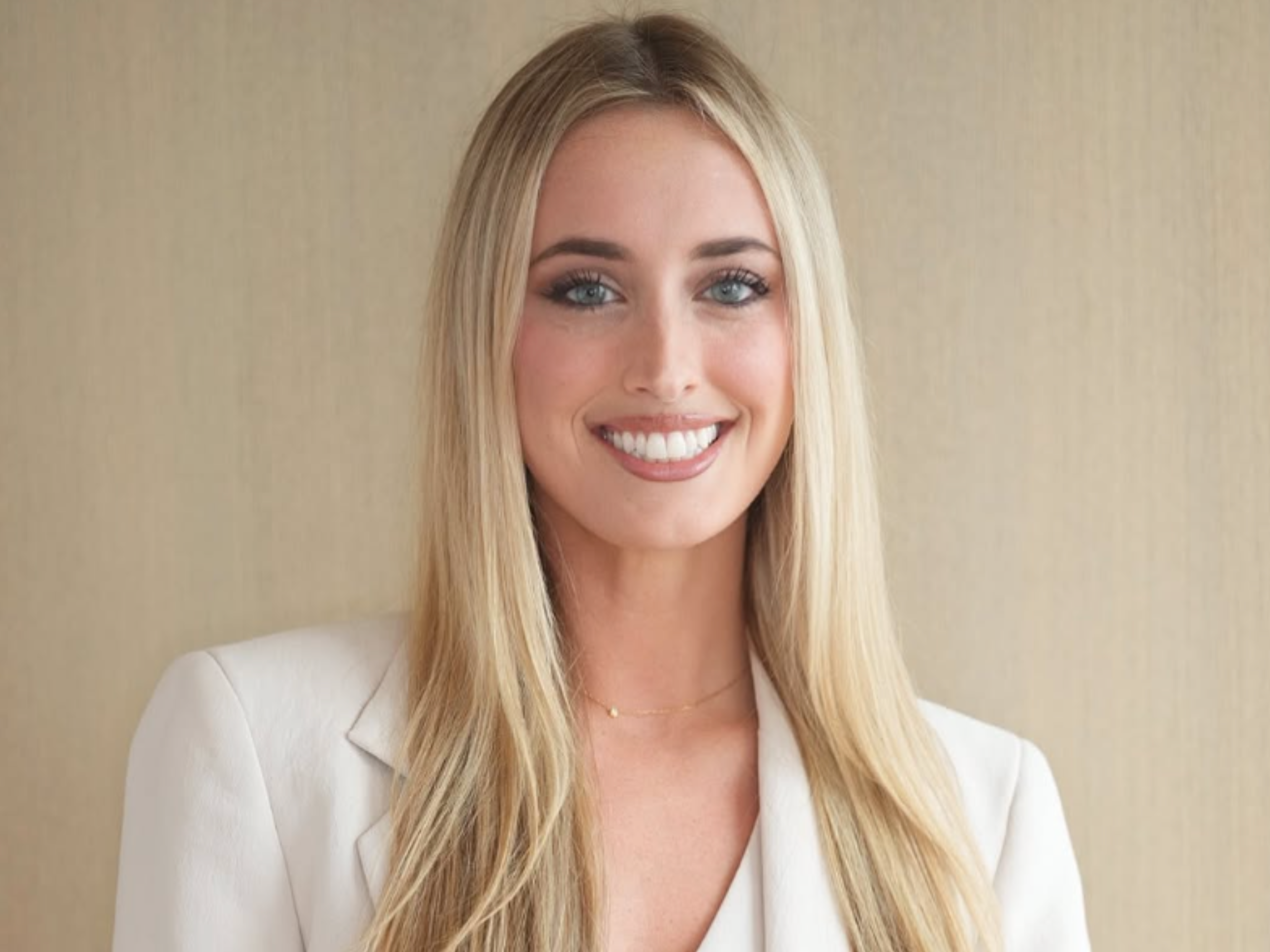
Dr. Lena Varone, DMD, FIADFE
Dr. Lena Varone is a cosmetic dentist based in New York City, focusing on Microbonding and porcelain veneers to create ultra-natural smiles. A fellow of the International Academy of Dental Facial Esthetics and member of the American Academy of Cosmetic Dentistry, she graduated from Nova Southeastern University College of Dentistry. Her undergraduate degree in studio art informs an approach to dentistry rooted in precision, artistry, and individuality.