The Human
15 Years in the Trenches
After 15 years in dentistry — sore back, stained scrubs, and all — what I noticed was not who worked harder. It was who built better structure.
After 15 years in dentistry, I have seen this industry from just about every angle. I started as a dental assistant — sore back, stained scrubs, and all — and eventually worked my way into operations. I have been the one holding suction while the schedule unraveled, and I have been the one in the front office staring at a P&L, wondering why we were not hitting goals despite how hard everyone was working. For a long time, I thought the problem was production. More patients. More procedures. More hustle. Looking back, it rarely was.
What I remember most are the firefighting days. I would glance at the morning huddle sheet and already know lunch was not happening. By 10:00 AM, we were running behind, patients were checking their watches, and the team felt drained before the afternoon even started. Everyone was working hard — really hard — but it still felt like we were constantly chasing the day.
"From the outside, chaos and growth can look the same. But one is sustainable. And one slowly burns people out."
Tammy Burch
Structure Over Talent
Over time, I started noticing something. The practices that felt calm, even when they were busy, were not necessarily seeing more patients. They just had structure. The difference was not talent. It was not better people. It was how the day was built.
In chaotic offices, the morning huddle is often rushed or surface-level. In structured offices, it is specific. They do not just review the schedule — they clarify where the day could break, which patients need extra attention, and who owns key follow-ups from the day before.
Completion, Not Activity
In chaotic practices, work gets started but not finished. In structured practices, every patient interaction has a next step — treatment is scheduled or clearly tracked, follow-ups are assigned before the patient leaves, and nothing relies on we'll get to it later. Choose one area to tighten — unscheduled treatment, recall, or pending insurance — assign one person to own it daily. Completion, not activity, is the goal.
Designing the Day
A full schedule can still feel chaotic if it is not designed well. Structured practices do not just fill chairs — they think about procedure timing, provider pacing, and where delays are likely to happen. They create space where needed and avoid stacking complexity back-to-back. Look at one day of your schedule and ask where you fell behind and where you felt rushed. Adjust future scheduling based on patterns, not assumptions.
The Front Desk Problem
In many offices, the front desk is responsible for everything — phones, patients, insurance, scheduling, payments. That is where breakdown happens. Structured practices create clarity around responsibilities and protect focus time for key tasks like follow-up and insurance. Identify one task your front desk struggles to complete consistently and create dedicated time or support for it.
What 15 Years Taught Me
After 15 years, what stands out to me is not the busiest days or the highest production months. It is the practices where people were not exhausted at the end of the day. Where the team laughed between patients. Where things did not feel like they were barely holding together. For a long time, I thought those practices had better people. They did not. They just had better structure.
From the outside, chaos and growth can look the same — full schedules, busy operatories, everyone moving. But one is sustainable. And one slowly burns people out. When things are built the right way, the day does not feel faster. It feels controlled. It feels repeatable. It feels like you could do it again tomorrow without starting from zero. And that is the difference.
About the Author
Tammy Burch
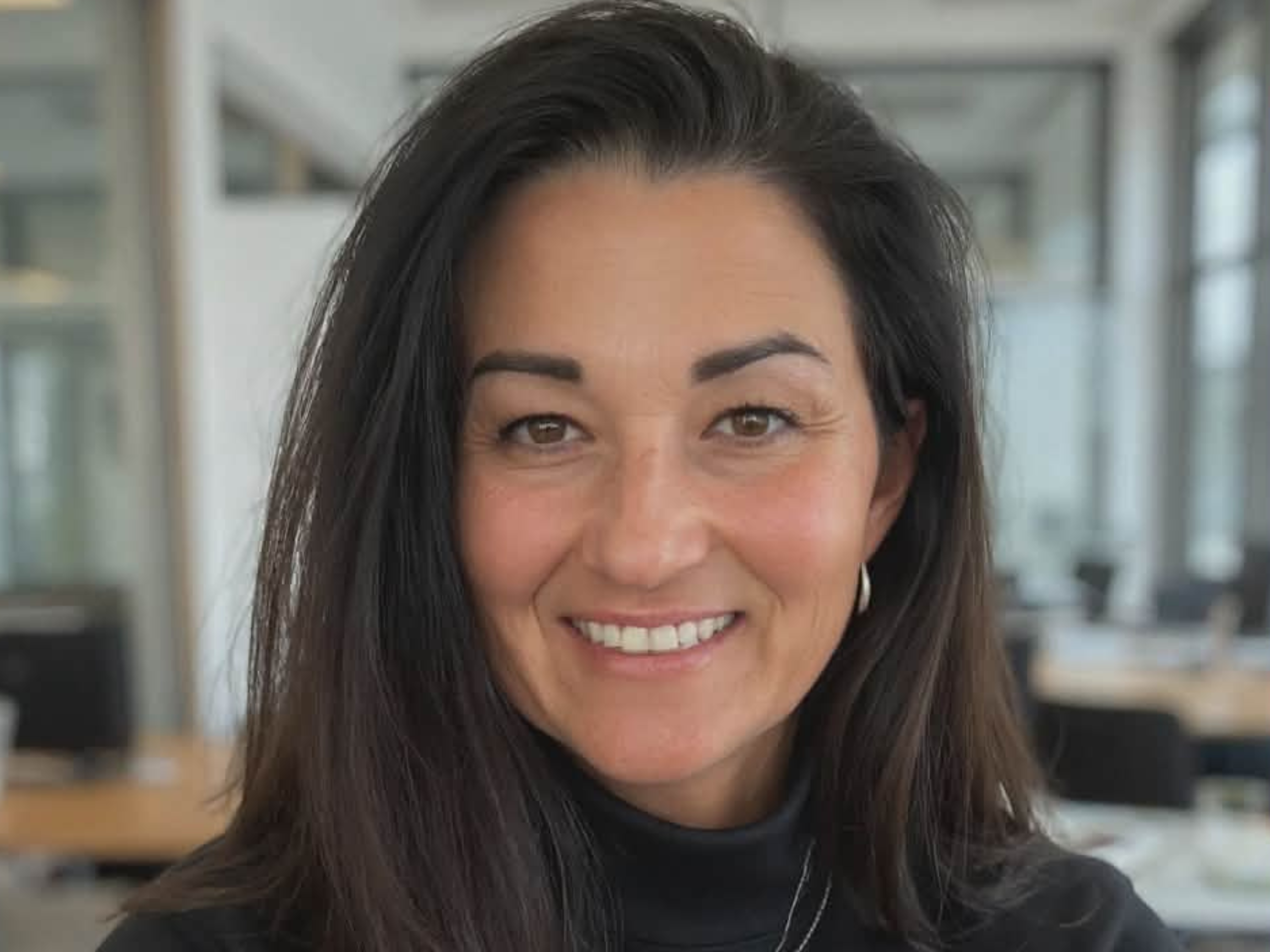
With 15 years of experience in dentistry, Tammy Burch has worked across clinical and operational roles, beginning as a dental assistant and later leading practice operations. Her background spans oral surgery, periodontics, and general dentistry, giving her a broad view of how practices function under real-world pressure. Her focus is on how structure, not just effort, shapes performance and sustainability in dental teams.